
Introduction: A Business Model in Motion
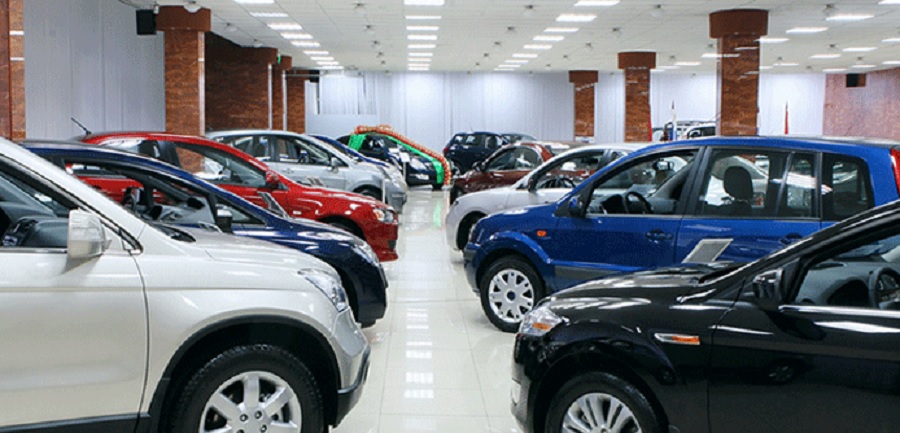
Auto dealerships have long stood as cornerstones of the automotive industry—icons of commerce where polished vehicles sit under showroom lights and deals are sealed with handshakes. However, in today’s fast-evolving consumer landscape, that model is undergoing a significant transformation. The auto dealership of the past is giving way to a more dynamic, digital, and customer-centric entity.
No longer simply a middleman between manufacturer and buyer, the modern dealership is being reimagined as a multifaceted experience hub, driven by technology, transparency, and service excellence. As the industry shifts gears, dealerships are proving that reinvention is not just possible—it’s essential.
The Legacy of the Traditional Dealership
For decades, the traditional dealership operated on a familiar formula: a physical location stocked with a wide range of vehicles, staffed by sales professionals who guided customers through the buying process. It was a place where:
-
Test drives were scheduled and spontaneous alike
-
Financing was handled on-site
-
Trade-ins were assessed and negotiated
-
Service and maintenance built long-term relationships
This model, while successful in its time, was heavily reliant on in-person interactions and often lacked pricing transparency. The process could be drawn out, and the balance of power tended to favor the dealership, not the consumer. As information became more accessible and digital commerce more prevalent, expectations changed—and so too did the automotive retail space.
The Digital Drive: Shaping a New Landscape
Today’s car buyers are digitally native, informed, and often arrive at the dealership knowing exactly what they want. This shift in consumer behavior has forced dealerships to adapt, adopting a more agile and tech-forward approach to both sales and service.
Key Areas of Digital Transformation
-
Online Showrooms and Virtual Tours
Modern dealerships now offer fully digital inventories, complete with 360° vehicle views, video walkthroughs, and real-time availability updates. -
E-commerce Integration
Many dealerships have embraced online purchasing options, allowing customers to apply for financing, calculate payments, value trade-ins, and even sign contracts digitally. -
Data-Driven Personalization
CRM systems track customer preferences, previous purchases, and service history, enabling sales teams to offer more relevant, personalized recommendations. -
Contactless Service Scheduling
Maintenance and repairs can now be scheduled online, with options for home pick-up and delivery, enhancing convenience and customer satisfaction.
The net result is a more streamlined experience that puts control into the hands of the buyer—something modern consumers increasingly expect.
Reinventing Customer Relationships
Technology may power today’s dealership, but trust remains its foundation. As competition intensifies—especially from direct-to-consumer brands like Tesla and Rivian—dealerships must focus on cultivating loyalty and offering value that extends beyond the sale.
Hallmarks of Exceptional Dealership Service
-
Transparency and Honesty
Clear pricing, upfront disclosures, and a no-pressure environment go a long way in building lasting trust. -
Knowledgeable and Approachable Staff
Sales professionals are shifting from aggressive closers to informed advisors who guide buyers through complex decisions, especially when it comes to electric and hybrid vehicles. -
After-Sale Engagement
High-quality service departments, timely follow-ups, and loyalty perks—such as complimentary maintenance or priority booking—foster strong, long-term relationships. -
Community Involvement
Dealerships that invest in their communities through sponsorships, events, and local partnerships position themselves as more than just businesses—they become neighborhood institutions.
The Rise of Electric Vehicles: A Strategic Pivot
One of the most significant disruptors to the dealership model is the rapid acceleration of electric vehicle (EV) adoption. With EVs come new challenges, from educating buyers on battery range to adjusting service operations for lower-maintenance vehicles.
Adapting to the Electric Shift
-
Staff Training
Sales and service teams must be thoroughly trained on EV specs, charging infrastructure, and performance metrics to instill confidence in prospective buyers. -
Facility Upgrades
Charging stations, dedicated EV bays, and specialized tools are becoming necessities for dealerships seeking to stay competitive. -
Partnerships and Incentives
Dealerships are working with utility providers and local governments to promote rebates, home charger installations, and green energy options.
The dealerships that embrace EVs not just as products but as a movement are positioning themselves as leaders in the next phase of automotive history.
Designing the Dealership of the Future
The dealership itself—its physical footprint, ambiance, and role—is undergoing a reinvention. Tomorrow’s showroom will be as much about experience as it is about inventory.
Characteristics of the Next-Generation Dealership
-
Minimalist Display Areas
With more buyers completing their research online, the need for massive on-site inventories is diminishing. Dealerships are streamlining showrooms in favor of curated spaces. -
Experience Zones
Interactive kiosks, VR test drives, and digital configurators allow buyers to engage with brands in more immersive ways. -
Hospitality Focus
Comfortable lounges, workspaces, coffee bars, and even wellness rooms are turning dealerships into destinations rather than mere stops along the way. -
Sustainability Features
From solar panel installations to green building materials and water-saving car washes, dealerships are going greener in both design and practice.
Challenges and Opportunities
As with any evolution, the road ahead isn’t without bumps. Dealerships must navigate:
-
Inventory shortages and supply chain disruptions
-
OEM demands for enhanced digital compliance
-
Rising customer expectations around speed and service
-
Competition from online-only automotive retailers
Yet, within these challenges lie tremendous opportunities. The ability to pivot, personalize, and build authentic relationships remains the core strength of the dealership model—one that digital-only retailers often struggle to replicate.
Conclusion: A Model Reinvented, Not Replaced
Auto dealerships are not relics of a bygone era—they are adaptable, evolving, and very much in motion. As the automotive industry accelerates into a future shaped by technology, sustainability, and elevated consumer expectations, dealerships that embrace innovation while preserving the irreplaceable human element will thrive.
The dealership of tomorrow is not merely a place to buy a car. It is a hub of mobility, expertise, and connection—a vital part of the driving journey, not just the destination. By steering toward reinvention with intention and care, auto dealerships can ensure they remain not only relevant but essential in the years to come.

 The Automotive Car Blog