
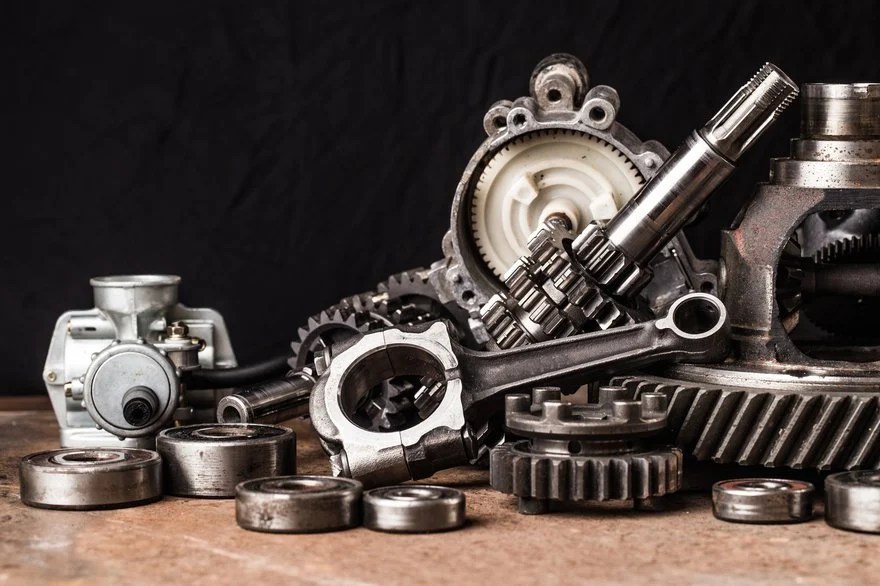
Introduction: The Hidden Complexity Behind Every Drive
Every time a car glides down a road, its operation depends on a delicate orchestration of mechanical components and intelligent systems. Though the average driver may rarely consider the individual parts that keep a vehicle functioning, the realm of auto parts is vast, intricate, and foundational. From the raw muscle of the engine to the quiet efficiency of electrical sensors, auto parts embody engineering excellence and mechanical harmony. They are not just replacement items—they are the organs and arteries of the automotive body.
Understanding auto parts is essential not only for automotive professionals but for any discerning car owner. With deeper insight comes better maintenance decisions, improved performance, and greater safety. Let’s delve into this fascinating and essential domain.
Core Classifications of Auto Parts
Auto parts can be broadly categorized based on their functional zones within the vehicle. Each category serves distinct purposes yet contributes to a unified system of mobility and control.
1. Powertrain and Engine Parts
These components are responsible for generating power and converting it into motion. The engine and its auxiliary systems form the mechanical heart of the vehicle.
-
Cylinder Block: The main structure housing combustion chambers.
-
Pistons and Crankshaft: These transform the energy from combustion into rotational force.
-
Camshaft and Valvetrain: Regulate the flow of air and fuel into the engine and exhaust gases out.
-
Timing Belt/Chain: Ensures synchronized movement of internal engine components.
2. Transmission and Driveline Systems
This group of parts handles the distribution of power from the engine to the wheels, enabling the vehicle to move and change speeds efficiently.
-
Manual and Automatic Gearboxes: Adjust torque and speed according to driving conditions.
-
Clutch Assemblies: Engage and disengage power from the engine to the transmission.
-
Driveshafts and Axles: Transmit power to the wheels while absorbing movement.
3. Suspension and Steering Mechanisms
Comfort, road contact, and vehicle control rely on a well-designed suspension and steering system.
-
Control Arms and Strut Assemblies: Connect the wheels to the vehicle frame while absorbing impact.
-
Shock Absorbers: Reduce bounce and improve handling.
-
Power Steering Pumps and Racks: Provide ease of steering and directional control.
4. Braking System Components
Arguably the most critical system for vehicle safety, braking relies on high-performance components to deliver consistent stopping power.
-
Brake Pads and Rotors: Create the friction necessary to decelerate the wheels.
-
Calipers and Wheel Cylinders: Convert hydraulic pressure into mechanical braking force.
-
Master Cylinder and ABS Sensors: Regulate and monitor the distribution of brake pressure.
5. Electrical and Electronic Parts
Modern vehicles are increasingly reliant on electronic systems for performance, diagnostics, and driver assistance.
-
Alternator and Battery: Supply and maintain electrical power throughout the vehicle.
-
Starter Motor: Cranks the engine to initiate combustion.
-
Engine Control Unit (ECU): Manages critical functions like fuel injection, ignition timing, and emissions.
-
Sensors and Relays: Collect data from various parts of the vehicle to inform performance and safety systems.
6. Body and Interior Components
Though often cosmetic, many body parts also serve aerodynamic and safety purposes.
-
Bumpers and Fenders: Absorb impact and shield internal components.
-
Grilles and Headlights: Enhance visibility and airflow.
-
Dashboard Electronics and Instrument Panels: Relay essential data to the driver.
OEM vs. Aftermarket: A Choice That Matters
When replacing or upgrading auto parts, vehicle owners face a key decision: OEM (Original Equipment Manufacturer) or Aftermarket components.
-
OEM Parts
-
Designed by the original vehicle manufacturer
-
Guarantee compatibility and factory-level quality
-
More expensive, but typically backed by a warranty
-
-
Aftermarket Parts
-
Produced by independent manufacturers
-
Often cheaper with a wider variety
-
Can vary in quality—some exceed OEM specs, while others may fall short
-
A discerning buyer weighs the vehicle’s age, intended use, and the criticality of the part before deciding. For safety-related systems like brakes or suspension, OEM or premium aftermarket brands are usually the smarter investment.
Innovations Driving the Future of Auto Parts
The landscape of auto parts is far from static. It is a rapidly evolving frontier influenced by technology, regulation, and consumer preferences.
1. Electric Vehicles (EVs)
As electric cars become mainstream, the demand for traditional internal combustion parts is decreasing, giving rise to new components such as:
-
High-capacity lithium-ion batteries
-
Electric drive modules
-
Regenerative braking units
-
Advanced thermal management systems
2. Smart Auto Parts
Integration of artificial intelligence and the Internet of Things (IoT) has led to the creation of intelligent components that can self-diagnose and adapt.
-
Advanced Driver Assistance Sensors (ADAS)
-
Connected Engine Modules
-
Real-time Diagnostic Tools integrated into dashboards
3. Sustainability in Manufacturing
Auto parts manufacturers are embracing eco-conscious practices by:
-
Using recycled and bio-based materials
-
Producing remanufactured parts that meet new part standards
-
Designing for disassembly and recyclability at end of life
This shift not only reduces environmental impact but also caters to a more socially conscious consumer base.
Maintenance Tips for Prolonging Part Life
Keeping auto parts in prime condition requires mindful maintenance. Here are several practices to ensure durability and performance:
-
Routine Inspections: Regular visual checks help identify early wear and prevent major failures.
-
Scheduled Servicing: Follow the manufacturer’s maintenance calendar for fluid changes, filter replacements, and component adjustments.
-
Use Quality Parts and Fluids: Avoid substandard replacements that may reduce system efficiency.
-
Store Spare Parts Properly: If not immediately in use, parts should be stored in dry, temperature-controlled environments to prevent corrosion.
A proactive approach not only minimizes breakdowns but also enhances overall driving experience.
Conclusion: Auto Parts as the Pulse of Progress
Auto parts are far more than mechanical constructs. They are manifestations of innovation, engineering, and craftsmanship. Each component, from a simple hose clamp to a sophisticated engine control unit, plays a role in crafting the dynamic, responsive machines we rely on daily.
In an age where vehicles are becoming smarter, cleaner, and more autonomous, the auto parts industry stands at the cusp of a new era. For enthusiasts, professionals, and everyday drivers alike, understanding these parts isn’t just educational—it’s empowering. Behind every smooth ride lies a symphony of parts working in concert. To appreciate a car fully is to respect the complexity that makes its motion possible.

 The Automotive Car Blog