
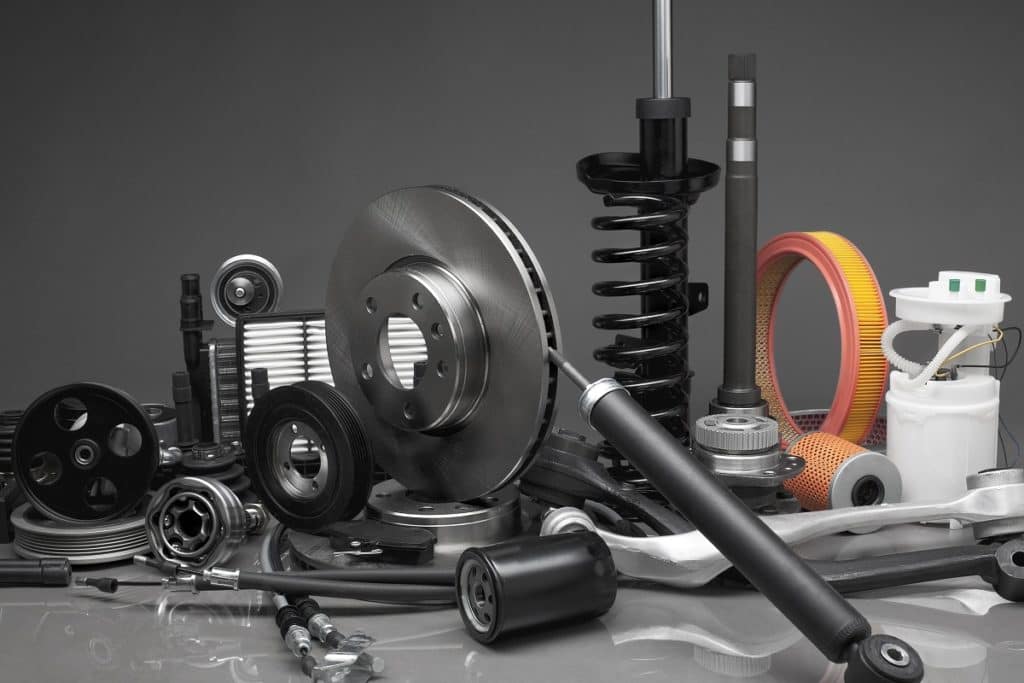
Introduction: The Building Blocks of Automotive Ingenuity
When we admire the elegance of a car’s silhouette or the thrill of its acceleration, we often forget the multitude of meticulously crafted components working in harmony beneath the surface. These components—collectively known as auto parts—are the silent contributors to a vehicle’s power, reliability, and sophistication. They are not merely mechanical pieces; they are integral to every journey, every turn of the wheel, and every moment of safety.
In this article, we explore the intricate universe of auto parts with a detailed, thoughtful, and human-centered lens. From foundational systems to the evolution of smart technology, this guide aims to offer both clarity and appreciation for the unsung heroes of transportation.
The Engineered Ensemble: Primary Categories of Auto Parts
A vehicle is not a single entity but rather a sum of its parts. Each segment is engineered with precision to perform a specific function. Understanding these categories enhances one’s appreciation for the science and art of automotive design.
1. The Engine: Core of Combustion and Power
At the center of any vehicle lies the engine—arguably its most vital organ. It converts fuel into mechanical power through controlled combustion, enabling motion.
Key engine components include:
-
Pistons and Cylinder Block – The site where fuel is ignited to generate motion.
-
Crankshaft and Connecting Rods – Transform linear piston motion into rotational movement.
-
Camshaft and Valves – Regulate air and fuel intake as well as exhaust release.
-
Timing Belt or Chain – Ensures synchronized movement of the crankshaft and camshaft.
Each of these parts must endure intense pressure, heat, and friction—making precision engineering and durable materials indispensable.
2. Transmission: Managing Motion with Finesse
The transmission system ensures that power from the engine is delivered smoothly to the wheels. It allows the driver or automated system to shift gears based on speed and torque requirements.
Noteworthy parts include:
-
Manual or Automatic Gearbox – Determines gear ratio in real-time.
-
Clutch Assembly or Torque Converter – Facilitates smooth gear transition.
-
Differential and Driveshaft – Help manage power distribution to the wheels.
A well-maintained transmission is crucial to fuel efficiency and driving comfort.
3. Suspension and Steering: Ensuring Comfort and Control
Without an effective suspension system, even the most powerful vehicle would deliver a rough, unstable ride. This system absorbs shocks and maintains tire contact with the road.
Core elements are:
-
Shock Absorbers and Springs – Reduce impact and stabilize the vehicle.
-
Control Arms and Ball Joints – Allow wheels to move independently while staying aligned.
-
Steering Rack and Column – Enable responsive handling and maneuverability.
Suspension is where mechanical ingenuity meets rider comfort—a delicate balance of form and function.
4. Braking System: Engineering Safety
Arguably the most crucial system from a safety standpoint, the brakes must perform flawlessly under varied conditions.
Key components include:
-
Brake Pads and Rotors – Generate the friction needed to stop motion.
-
Calipers and Pistons – Apply pressure to the pads during braking.
-
Brake Lines and Master Cylinder – Transfer hydraulic fluid to exert braking force.
Modern vehicles are often equipped with ABS (Anti-lock Braking System), which uses sensors and electronic control to prevent wheel lock-up.
5. Electrical and Electronic Systems: The Digital Nervous System
Contemporary automobiles are deeply reliant on electronic control units (ECUs) and sensors to regulate performance and safety.
Highlighted components:
-
Battery and Alternator – Supply and recharge electrical power.
-
Starter Motor – Initiates the engine’s operation.
-
Oxygen Sensors, ABS Sensors, and ECUs – Monitor and manage various systems.
In electric and hybrid cars, additional components like inverters, controllers, and high-voltage batteries redefine the vehicle’s electrical anatomy.
The Rise of Smart Components and Sustainable Design
Today’s auto parts are not only built for performance but also sustainability, efficiency, and connectivity. Innovation in this space is driven by environmental regulations, consumer demand, and digital transformation.
Emerging trends include:
-
Use of Lightweight Alloys and Composites – Reducing weight for better fuel economy.
-
Integration of IoT and AI – Enabling predictive diagnostics and real-time data monitoring.
-
Electric and Hybrid Powertrains – Featuring motors, battery packs, and regenerative braking systems.
-
3D Printed Parts – Allowing customized, rapid prototyping with minimal waste.
These developments are not only reshaping vehicles but also redefining how manufacturers, mechanics, and consumers interact with them.
Choosing Quality: OEM vs. Aftermarket Auto Parts
When it comes to replacing or upgrading auto parts, quality matters immensely. Poorly made or incompatible parts can compromise performance and safety.
Consider the following when choosing auto parts:
-
OEM (Original Equipment Manufacturer) Parts – Designed by the car’s maker; offer guaranteed fit and quality.
-
Aftermarket Parts – Often cheaper and more varied but require careful vetting.
-
Certified Remanufactured Parts – A cost-effective and eco-friendly alternative to new parts.
Choosing parts should always be guided by the balance of reliability, budget, and compatibility.
Maintenance and Longevity: Caring for the Components
Routine maintenance ensures that every auto part continues to function optimally. Preventive care not only enhances performance but also saves money in the long run.
Practical tips include:
-
Regular Oil Changes – To protect engine internals from wear and overheating.
-
Monitoring Brake Wear – Replacing pads before rotor damage occurs.
-
Checking Fluids and Filters – Coolant, brake fluid, and air filters should be replaced periodically.
-
Tire Alignment and Rotation – Ensures even wear and prolongs lifespan.
Mechanics often suggest keeping a maintenance log to track service history and upcoming checks.
Conclusion: A Testament to Craftsmanship and Innovation
Auto parts may not garner the same admiration as a sleek bodyline or a luxurious cabin, but they are the silent forces behind every reliable ride. They encapsulate a rich history of mechanical evolution and continue to adapt to a future defined by electrification, digitization, and sustainability.
To understand auto parts is to understand the soul of mobility. Whether through the roar of combustion or the silence of electric drive, these components continue to propel us forward—each turn, each stop, and every journey a tribute to the power of precision.

 The Automotive Car Blog