
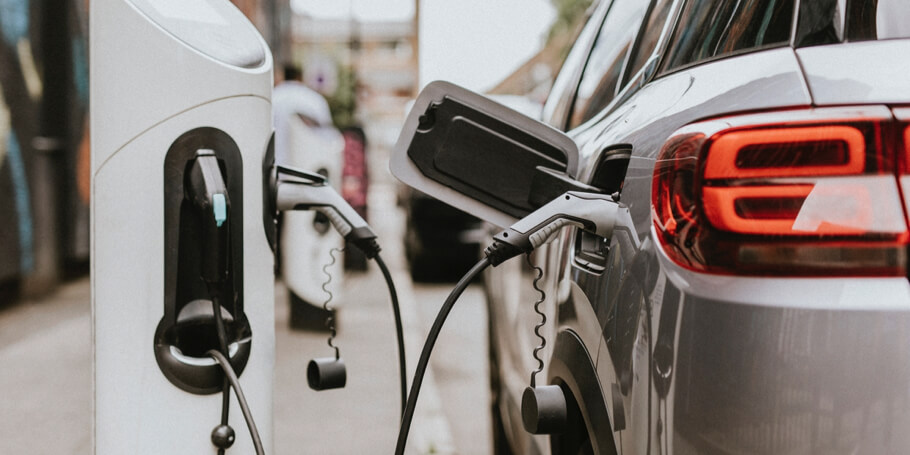
The automotive world is undergoing a profound metamorphosis, propelled by the urgent imperative to reduce carbon emissions and reimagine sustainable mobility. Electric and hybrid vehicles have emerged as pivotal players in this transition, blending innovation with ecological responsibility. These vehicles are not simply alternatives to conventional internal combustion engines; they represent a sophisticated evolution in how humanity approaches transportation, energy use, and environmental stewardship.
Understanding the Distinction: Electric vs. Hybrid Vehicles
Before delving deeper into the impact and future of these vehicles, it is crucial to understand what differentiates electric and hybrid cars.
Electric Vehicles (EVs): Powered entirely by electricity stored in batteries, EVs run on electric motors without the need for gasoline or diesel. Their operation produces zero tailpipe emissions, positioning them as a clean alternative to traditional vehicles.
Hybrid Vehicles (HVs): These combine an internal combustion engine with an electric motor. The synergy between the two allows hybrids to optimize fuel efficiency and reduce emissions by switching between or simultaneously using both power sources.
Within hybrids, there are subcategories:
Mild Hybrids: Employ a small electric motor to assist the engine but cannot run solely on electric power.
Full Hybrids: Capable of short-distance electric-only driving.
Plug-in Hybrids (PHEVs): Feature larger batteries rechargeable from external power sources, allowing extended electric-only ranges.
The Environmental Rationale Driving Adoption
Transportation accounts for a substantial share of global greenhouse gas emissions, making electrification a key strategy in combating climate change. Electric and hybrid vehicles contribute significantly to environmental goals by:
Eliminating or Reducing Tailpipe Emissions: EVs produce no exhaust gases, while hybrids markedly cut emissions compared to conventional vehicles.
Enhancing Energy Efficiency: Electric motors convert a higher percentage of electrical energy into motion than combustion engines do with fuel.
Facilitating Renewable Energy Use: EVs can be charged using electricity derived from solar, wind, or hydroelectric sources, thereby reducing reliance on fossil fuels.
By addressing urban air pollution and curbing greenhouse gases, these vehicles contribute to healthier environments and align with global sustainability agendas.
Technological Innovations Powering Progress
The growing popularity of electric and hybrid vehicles is underpinned by significant technological advancements:
Battery Breakthroughs: Lithium-ion technology has advanced rapidly, delivering improved energy density, longer lifespan, and quicker charging capabilities.
Charging Infrastructure Expansion: The development of fast-charging stations and home charging solutions has assuaged range anxiety and enhanced convenience.
Sophisticated Powertrain Management: Modern hybrids utilize intelligent systems to seamlessly switch between electric and combustion power, optimizing performance without compromising comfort.
Additionally, cutting-edge research into solid-state batteries and alternative energy storage methods promises to further enhance vehicle capabilities in the near future.
Economic and Practical Considerations for Consumers
Though the initial purchase price of electric and hybrid vehicles can be higher than traditional cars, several factors contribute to their growing economic appeal:
Lower Operating Costs: Electricity is generally cheaper than gasoline, and EVs require less maintenance due to fewer moving parts.
Government Incentives: Many countries offer tax credits, rebates, and subsidies to encourage adoption.
Resale Value: Increasing demand for eco-friendly vehicles may bolster their market value over time.
From a user experience perspective, EVs deliver immediate torque and smooth acceleration, while hybrids offer the reassurance of extended range without frequent recharging.
Overcoming Challenges: The Roadblocks Ahead
Despite impressive progress, several challenges remain before electric and hybrid vehicles can become ubiquitous:
Raw Material Sourcing: The mining of lithium, cobalt, and nickel raises environmental and ethical concerns, necessitating improved recycling and sustainable sourcing.
Infrastructure Gaps: Rural areas and developing regions often lack adequate charging stations, limiting accessibility.
Energy Grid Impact: The rise in electric vehicle charging demands careful management to avoid overloading power grids, underscoring the need for integration with renewable energy sources.
Addressing these issues requires coordinated efforts from industry stakeholders, governments, and consumers alike.
The Societal Implications of Electrified Mobility
The rise of electric and hybrid vehicles extends beyond technology and economics; it reshapes societal norms and urban landscapes:
Cleaner Cities: Reduced emissions contribute to improved air quality and public health.
Energy Independence: Diversifying energy sources reduces dependence on imported oil.
Technological Integration: EVs often serve as platforms for connected and autonomous vehicle technologies, paving the way for smarter transportation systems.
Urban Planning: With quieter and cleaner vehicles, cities can rethink design priorities, promoting pedestrian-friendly environments and reducing noise pollution.
These broader impacts highlight how electrified transportation is part of a holistic transformation in how societies function.
Looking Ahead: Trends and Innovations on the Horizon
The future promises exciting developments in electric and hybrid vehicle technology and infrastructure:
Solid-State Batteries: Expected to deliver greater safety, faster charging, and increased range.
Vehicle-to-Grid (V2G) Technology: Allowing vehicles to feed electricity back into the grid, enhancing energy stability.
Electrification of Commercial Fleets: Extending benefits to buses, trucks, and delivery vehicles will multiply environmental gains.
Integration with Renewable Energy Systems: Smart charging solutions aligned with green energy production will maximize sustainability.
These advances will accelerate adoption and deepen the positive impact of electric and hybrid vehicles globally.
Conclusion
Electric and hybrid vehicles embody a compelling vision for the future of mobility — one that balances performance, economy, and environmental responsibility. While challenges remain, the continuous evolution of technology, infrastructure, and policy signals a robust trajectory toward a cleaner and more efficient transportation paradigm. Embracing these vehicles is not simply a choice but an essential step toward safeguarding the planet for generations to come. As innovation propels us forward, the promise of a greener journey on wheels grows ever more tangible and inspiring.

 The Automotive Car Blog