
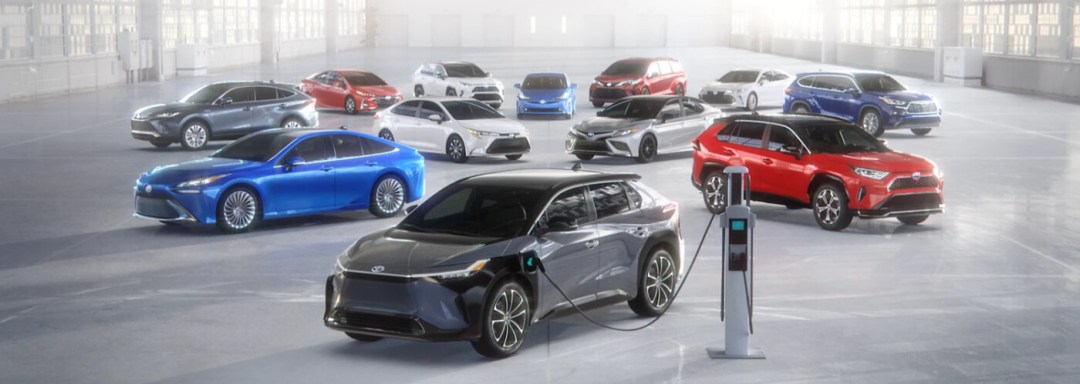
In the evolving landscape of modern transportation, electric and hybrid vehicles have emerged as icons of innovation and sustainability. They represent not merely a change in how cars are powered, but a fundamental shift in our relationship with the environment, technology, and mobility itself. As the world confronts the urgent challenges of climate change and resource depletion, these vehicles offer a promising path forward — blending cutting-edge engineering with ecological mindfulness.
Understanding Electric and Hybrid Vehicles: A Primer
Electric vehicles (EVs) and hybrid vehicles (HVs) differ significantly from traditional internal combustion engine (ICE) cars, though they share the common goal of reducing reliance on fossil fuels and lowering emissions.
-
Electric Vehicles (EVs) operate exclusively on electric power stored in rechargeable batteries. They produce no tailpipe emissions, rely on electric motors for propulsion, and require charging infrastructure to replenish their energy.
-
Hybrid Vehicles (HVs) combine a conventional petrol or diesel engine with an electric motor and battery system. This dual setup allows hybrids to optimize fuel consumption by switching between or simultaneously using both power sources.
Within the hybrid category, variations exist:
-
Mild Hybrids use a small electric motor to assist the engine but cannot run solely on electric power.
-
Full Hybrids can drive short distances on electric power alone.
-
Plug-in Hybrids (PHEVs) boast larger batteries, rechargeable via external outlets, enabling longer electric-only travel.
The Environmental Imperative Behind the Shift
The automotive sector is a leading contributor to global greenhouse gas emissions, making the transition away from fossil-fuel vehicles critical in the fight against climate change. Electric and hybrid vehicles are central to this effort for several reasons:
-
Reduced Emissions: EVs emit no exhaust gases during operation, directly cutting urban air pollution. Hybrids lessen emissions by improving fuel efficiency and reducing engine load.
-
Energy Efficiency: Electric motors convert energy more efficiently than combustion engines. This translates into more kilometers per unit of energy consumed.
-
Renewable Integration: EVs can leverage electricity generated from renewable sources like wind, solar, or hydropower, further diminishing their carbon footprint.
As cities worldwide grapple with air quality issues, the adoption of electric and hybrid vehicles promises cleaner streets and healthier communities.
Technological Advances Driving Adoption
Several breakthroughs have propelled electric and hybrid vehicles from curiosities to practical choices for millions:
-
Battery Innovation: Lithium-ion batteries have revolutionized energy storage, offering greater capacity, lighter weight, and improved longevity compared to earlier technologies.
-
Charging Infrastructure: The expansion of public and private charging stations has alleviated range anxiety and made EV ownership more convenient.
-
Powertrain Sophistication: Modern hybrids feature seamless transitions between electric and combustion power, optimizing performance and efficiency without compromising driving pleasure.
Automakers are also investing in next-generation technologies such as solid-state batteries and enhanced regenerative braking systems, promising even greater efficiency and range.
Economic Considerations and Consumer Benefits
At first glance, electric and hybrid vehicles can seem costlier than traditional cars. Yet, a nuanced analysis reveals a compelling financial case:
-
Lower Operating Costs: Electricity is typically less expensive than gasoline, and EVs benefit from fewer moving parts, reducing maintenance expenses.
-
Government Incentives: Many governments offer tax credits, rebates, and other perks to encourage clean vehicle adoption.
-
Resale Value: As demand grows, some EVs and hybrids retain value better than their fossil-fuel counterparts.
Moreover, consumers increasingly appreciate the driving experience itself — EVs deliver instantaneous torque and smooth acceleration, while hybrids offer the reassurance of extended range without frequent stops for charging.
Challenges on the Horizon
Despite promising prospects, electric and hybrid vehicles face hurdles that must be addressed for widespread adoption:
-
Battery Resource Sustainability: Mining for lithium, cobalt, and nickel presents environmental and ethical concerns, demanding responsible sourcing and recycling solutions.
-
Charging Infrastructure Gaps: Rural and underdeveloped regions often lack sufficient charging points, limiting EV accessibility.
-
Grid Demand: A surge in EV charging will strain electrical grids unless matched with renewable energy expansion and smart management.
Efforts across industries and governments aim to tackle these issues through innovation, policy, and investment.
The Broader Impact on Society and Mobility
Electric and hybrid vehicles signify more than technological advancement; they represent a broader cultural and societal shift:
-
Urban Planning: Reduced emissions and quieter operation encourage the redesign of cities to be more pedestrian- and bike-friendly.
-
Energy Security: Reducing dependence on oil imports can enhance national energy autonomy.
-
Technological Integration: EVs and hybrids are often at the forefront of connected vehicle technology and autonomous driving capabilities, heralding a future of safer, more efficient roads.
The ripple effects extend far beyond the automotive industry, influencing energy policy, environmental strategy, and urban development.
Looking Forward: The Road Ahead for Electric and Hybrid Vehicles
As innovation continues to accelerate, the future of transportation appears electrified and hybridized in unprecedented ways:
-
The proliferation of solid-state batteries may solve many existing limitations, offering safer, faster-charging, and longer-lasting power sources.
-
Emerging vehicle-to-grid (V2G) technologies could transform electric vehicles into mobile energy storage units, stabilizing power grids and enabling more resilient energy systems.
-
Expanding electric and hybrid powertrains into commercial trucks, buses, and even aviation will broaden the environmental benefits across all transportation sectors.
Public perception is evolving too. With increasing awareness and tangible benefits, consumers are more open to embracing these vehicles not only as alternatives but as superior options.
Conclusion
Electric and hybrid vehicles stand at the crossroads of necessity and innovation, melding ecological responsibility with technological elegance. They embody a vision of transportation that honors the planet without compromising on performance or convenience. While challenges remain, ongoing advancements and growing societal commitment suggest that these vehicles will continue to redefine the automotive landscape.

 The Automotive Car Blog