
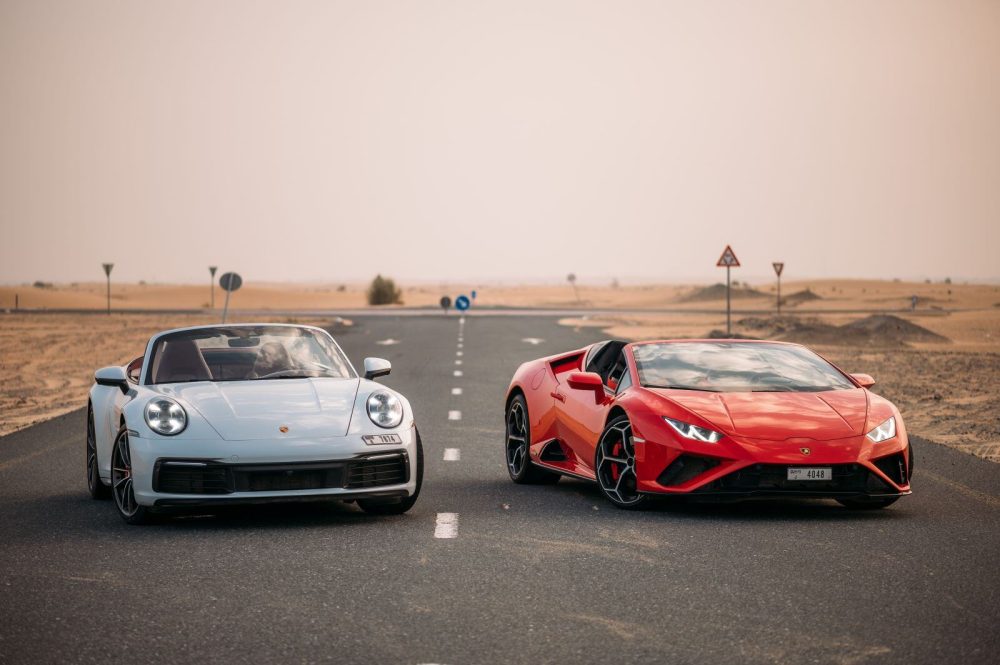
Introduction: More Than Just Speed
Sports cars have long held a magnetic allure in the world of automobiles. They are not just vehicles but symbols of engineering prowess, design elegance, and the sheer joy of driving. While many cars are built for utility, sports cars are built for passion—for that indescribable thrill when engine power, precision handling, and design beauty merge. From Ferrari to Porsche, Aston Martin to McLaren, the sports car represents a legacy of automotive excellence, appealing to both the speed enthusiast and the style connoisseur.
The Evolution of Sports Cars
Sports cars trace their roots back to the early 20th century. What began as lightweight, two-seater vehicles designed for agility rather than practicality soon evolved into some of the most technologically advanced machines on the road.
-
Early Origins: In the 1910s and 1920s, manufacturers like Bentley and Bugatti began crafting vehicles designed for spirited driving and racing. These early sports cars often featured stripped-down bodies, tuned engines, and a focus on performance over comfort.
-
Post-War Boom: The 1950s and 60s witnessed a golden era, with models like the Jaguar E-Type and Chevrolet Corvette captivating the world with their sleek profiles and powerful engines. Europe and the U.S. competed to create the perfect balance between performance and panache.
-
Modern Era: Today’s sports cars integrate advanced materials like carbon fiber, cutting-edge aerodynamics, and digital performance systems. While they maintain the spirit of their ancestors, they now offer luxury, connectivity, and safety features unimaginable decades ago.
What Defines a Sports Car?
Though definitions vary, a true sports car embodies certain key characteristics:
-
Performance-Driven Design: Aerodynamic lines, low centers of gravity, and rear-wheel or all-wheel drive systems create a ride that’s both exhilarating and responsive.
-
Superior Power-to-Weight Ratio: Lightweight chassis and high-performance engines ensure fast acceleration and agile handling.
-
Driver Engagement: Sports cars prioritize the driving experience. Whether it’s a manual gearbox or paddle shifters, the focus remains on connecting the driver with the road.
-
Exclusivity and Prestige: Sports cars often come in limited numbers, making them as much about personal expression as they are about performance.
Cultural Impact and Iconic Models
Sports cars are embedded deeply in popular culture. They’ve starred in movies, graced magazine covers, and become status symbols for the elite.
-
Ferrari 250 GTO: An icon of the 1960s, this Ferrari is often considered the epitome of style and performance. With only 36 models ever produced, it remains one of the most sought-after collector cars in the world.
-
Porsche 911: Arguably the most enduring sports car of all time, the 911 has continuously evolved since 1964 while maintaining its distinctive silhouette and thrilling performance.
-
Chevrolet Corvette: America’s answer to the European sports car, the Corvette represents an accessible blend of power and affordability, particularly popular among performance purists.
-
McLaren F1: This 1990s marvel was once the fastest production car in the world, celebrated for its engineering ingenuity and three-seat configuration.
Technological Innovations in Modern Sports Cars
Today’s sports cars incorporate a range of innovations that were once the domain of Formula 1 and aerospace industries:
-
Active Aerodynamics: Adjustable wings and flaps that adapt to speed and cornering, maximizing downforce or minimizing drag when needed.
-
Hybrid Powertrains: Cars like the Ferrari SF90 Stradale use electric motors in conjunction with gasoline engines to boost power while lowering emissions.
-
Advanced Driver Assistance Systems (ADAS): Features such as launch control, adaptive suspension, and torque vectoring enhance safety without compromising thrill.
-
Lightweight Engineering: Extensive use of aluminum, carbon fiber, and other composite materials helps optimize the power-to-weight ratio.
The Emotional Connection
Driving a sports car transcends the mechanics of movement. It is a visceral experience—feeling the surge of torque, hearing the engine’s roar, and sensing every curve of the road. Sports cars tap into something primal: the human desire for control, freedom, and expression.
Owners often speak of their cars not as machines, but as extensions of themselves. The bond between a driver and a well-tuned sports car is one of mutual trust—built not just through horsepower, but through hours on the road and miles of open tarmac.
Environmental Considerations and the Future
As the world embraces sustainability, sports car manufacturers face the challenge of balancing excitement with responsibility.
-
Electric Sports Cars: The rise of electric vehicles (EVs) has not spared the sports car market. Models like the Tesla Roadster, Rimac Nevera, and Lotus Emeya prove that electrification doesn’t mean sacrificing speed or handling.
-
Sustainable Materials: Brands are exploring vegan leather interiors, recycled composites, and sustainable production methods.
-
Synthetic Fuels and Hydrogen: Porsche and other pioneers are investing in e-fuels and alternative propulsion to preserve the internal combustion sports car in an eco-conscious world.
Why Sports Cars Still Matter
In an age where utility vehicles dominate sales charts and automation creeps into every facet of life, the sports car remains a symbol of individuality and emotion. It reminds us that driving can be more than commuting—it can be art, adrenaline, and expression.
-
Passion Over Practicality: While sports cars may not offer the trunk space of an SUV or the efficiency of a hybrid sedan, they offer something more vital—joy.
-
Craftsmanship Over Commodity: Each model is often a masterpiece, meticulously crafted by engineers and designers who view performance as poetry.
-
Inspiration Over Imitation: Sports cars push boundaries and often serve as testbeds for future automotive technologies.
Conclusion: The Legacy of Performance and Beauty
The enduring allure of sports cars lies in their ability to evoke passion, push technological frontiers, and embody the spirit of freedom. Whether it’s the wind in your hair as you cruise down a coastal highway, or the pulse-quickening speed of a track day, sports cars are more than just machines—they are experiences. As the automotive landscape evolves, one truth remains constant: the sports car will always have a place in the hearts of those who value beauty, performance, and the pure joy of driving.

 The Automotive Car Blog