
Introduction: More Than Just Machines
The automobile, once a marvel of industrial ingenuity, has grown into a central element of modern life. It’s more than transportation—it is freedom, identity, performance, and, increasingly, sustainability. As we enter an era defined by rapid technological advancement and environmental consciousness, the automotive industry is undergoing one of the most transformative periods in its history. From the shift toward electrification to the integration of artificial intelligence and automation, today’s vehicles are being reimagined from the ground up.
A Brief Glance at the Road Behind
The automotive journey began in the late 19th century with Karl Benz’s invention of the first gasoline-powered car. What followed was a century of mechanical mastery, from Henry Ford’s assembly line in 1913 to the muscle car boom of the 1960s. Each era brought new innovations—automatic transmissions, fuel injection systems, hybrid engines—and refined the balance between utility and style.
Yet until recently, the core architecture of automobiles remained largely unchanged. A combustion engine, four wheels, and a human driver behind the wheel—these constants defined personal mobility for generations.
The Electrification Revolution
Today, the most visible and disruptive trend in the automotive landscape is the move toward electric vehicles (EVs). Spurred by the twin imperatives of reducing carbon emissions and achieving energy independence, EVs are no longer niche products for environmentally conscious consumers—they are mainstream contenders, backed by performance, design, and efficiency.
Why EVs Are Accelerating
-
Environmental Impact: EVs produce zero tailpipe emissions, helping to combat urban air pollution and reduce greenhouse gases.
-
Technological Simplicity: Fewer moving parts mean lower maintenance, quieter rides, and greater long-term reliability.
-
Government Incentives: Policies promoting clean energy have catalyzed adoption, especially in Europe, China, and North America.
-
Charging Infrastructure Growth: As fast-charging networks expand, range anxiety is rapidly diminishing.
Brands like Tesla, Rivian, Lucid Motors, and established automakers like Mercedes-Benz and Ford are all in fierce pursuit of electric excellence. The race is no longer about horsepower alone; it’s about battery efficiency, range, and autonomous capability.
Autonomous Vehicles: From Sci-Fi to Reality
Parallel to electrification is the quest for autonomy. Self-driving cars, once confined to futuristic fiction, are now being actively tested and deployed in real-world settings. Companies such as Waymo, Cruise, and Mobileye are pioneering advanced driver-assistance systems (ADAS) that are redefining how we interact with vehicles.
Levels of Autonomy
The Society of Automotive Engineers (SAE) classifies vehicle autonomy into six levels:
-
Level 0: No automation—fully driver-controlled.
-
Level 1-2: Driver assistance features like adaptive cruise control and lane-keeping.
-
Level 3-4: Conditional and high automation, with limited human intervention.
-
Level 5: Full autonomy under all conditions.
Though true Level 5 autonomy remains elusive due to regulatory, ethical, and technical challenges, Level 2 and 3 systems are becoming increasingly common in luxury and even mid-range vehicles.
Smart Cars and the Rise of Connectivity
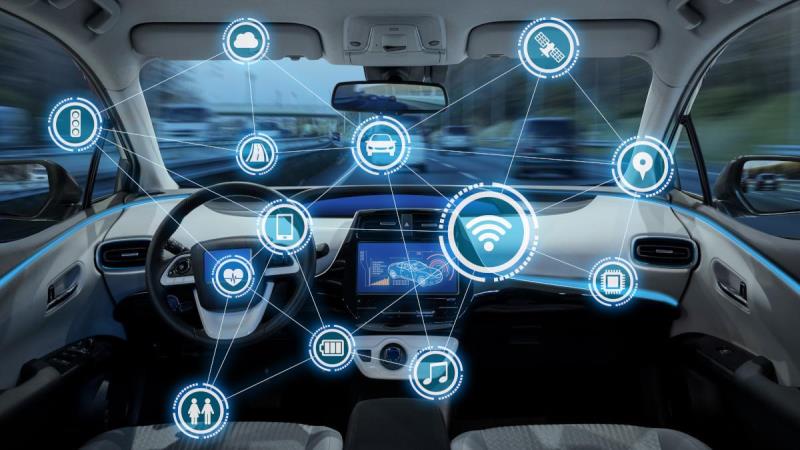
Connectivity is another axis of transformation. Today’s vehicles are essentially rolling computers, capable of real-time communication, over-the-air updates, and integration with digital ecosystems. The modern car is no longer a standalone object; it’s part of the Internet of Things (IoT), with seamless links to smartphones, cloud-based navigation, entertainment systems, and vehicle-to-vehicle (V2V) communication.
Key Connected Features
-
Infotainment Systems: Touchscreen interfaces, voice recognition, and app integration.
-
Telematics: GPS tracking, performance diagnostics, and maintenance alerts.
-
Remote Access: Unlocking, starting, and climate control via smartphone apps.
-
Vehicle-to-Infrastructure (V2I): Communicating with traffic signals and road systems for smarter traffic management.
Design Trends: Where Aesthetics Meet Aerodynamics
While engineering advancements dominate headlines, design continues to evolve with equal intensity. The lines of modern vehicles are sharper, sleeker, and more sculptural. Designers now prioritize not only visual appeal but also aerodynamic efficiency to enhance range and performance.
-
Minimalism: Interiors are cleaner, emphasizing screen-based controls and sustainable materials.
-
Sustainability: Vegan leather, recycled plastics, and carbon-neutral production processes are gaining popularity.
-
Lighting: LED and laser light technologies provide signature aesthetics and improved safety.
The Challenge of Sustainability
Despite these leaps forward, the industry still faces serious environmental challenges. Manufacturing processes, battery disposal, and rare earth mining all leave ecological footprints. However, initiatives are underway to tackle these issues:
-
Battery Recycling Programs: Promoting circular economies for lithium, cobalt, and nickel.
-
Green Manufacturing: Factories powered by renewable energy.
-
Alternative Fuels: Hydrogen fuel cells and biofuels are being explored alongside electrification.
What Lies Ahead: A Holistic Future
The future of automotive isn’t just electric or autonomous—it’s holistic. Cities are reimagining transportation with integrated systems that include ride-sharing, micromobility (like e-scooters), and efficient public transit. Automakers are transitioning from car sellers to mobility providers, offering subscription models, on-demand fleets, and intermodal connectivity.
As these technologies mature, we can expect:
-
Lower Vehicle Ownership Rates: Particularly in urban centers.
-
Customized Mobility Solutions: Based on data-driven preferences and usage habits.
-
Reshaped Urban Planning: Reduced parking space, cleaner air, and smarter roadways.
Conclusion: Driving Into a New Era
The automotive industry is in the midst of an exhilarating transformation, redefining what it means to own and operate a vehicle. Where once it was about horsepower and torque, today it’s about intelligence, sustainability, and integration. This isn’t merely a technological shift—it’s a cultural evolution, changing the way we live, move, and think.
As engineers, designers, and visionaries continue to reimagine the automobile, one thing remains clear: the road ahead is paved with promise. Whether you’re a lifelong gearhead, a tech enthusiast, or simply someone who enjoys the thrill of the open road, there’s never been a more exciting time to be part of the automotive world.

 The Automotive Car Blog