
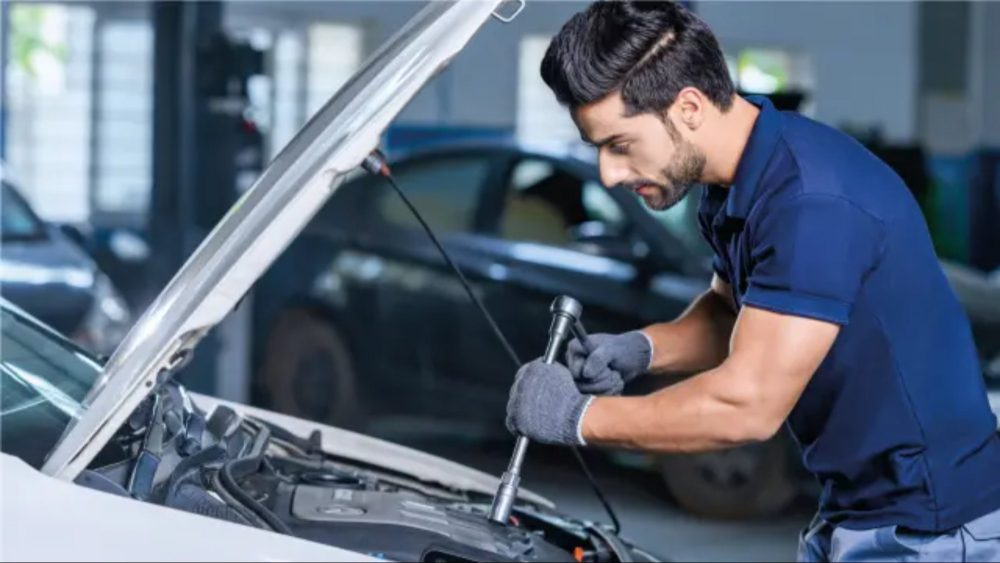
Introduction: A Matter of Responsibility and Foresight
A car is more than a mode of transportation; it is an investment, a necessity, and, for many, a source of pride. From daily commutes to long-distance adventures, our vehicles carry us safely through life’s journeys. Yet, despite their importance, routine car repair and maintenance often get neglected—brushed aside until a dashboard warning light demands attention. In truth, caring for a vehicle is an ongoing commitment that pays dividends in reliability, safety, and financial wisdom. This article explores the refined art of car maintenance with a balanced approach to mechanical awareness and thoughtful upkeep.
The Philosophy of Preventive Maintenance
Maintenance is not simply about fixing what’s broken; it’s about preventing issues before they arise. It’s a proactive mindset—a philosophy of care that ensures your car remains in optimal condition for as long as possible.
Benefits of Preventive Maintenance:
-
Enhanced Longevity: Regular service extends your vehicle’s lifespan significantly, allowing you to drive it for years beyond the warranty period.
-
Improved Safety: Properly maintained brakes, tires, and lights reduce the risk of accidents caused by equipment failure.
-
Better Resale Value: A vehicle with a well-documented service history commands a higher resale price.
-
Cost Efficiency: Addressing small issues early prevents major repairs that can cost thousands.
The Essentials: What Every Car Owner Must Know
Understanding the core components of vehicle maintenance equips owners with the knowledge to make informed decisions and spot early warning signs. Whether you’re new to driving or a seasoned car enthusiast, a consistent routine is your greatest asset.
Oil Changes
-
Oil lubricates engine components, reducing friction and preventing overheating.
-
Most manufacturers recommend changing oil every 5,000 to 7,000 miles.
-
Synthetic oils may extend this interval, but always consult the owner’s manual.
Brake System
-
Check brake pads every 10,000 to 15,000 miles.
-
Listen for squealing, grinding, or soft pedal feel—these are signs of worn components.
-
Brake fluid should be replaced every two years to maintain hydraulic performance.
Tires
-
Maintain proper tire pressure as recommended in the owner’s manual.
-
Rotate tires every 6,000 to 8,000 miles to ensure even wear.
-
Inspect tread depth regularly; replace tires when tread reaches 2/32 of an inch.
Battery Health
-
Most batteries last 3–5 years, depending on climate and usage.
-
Clean terminals to prevent corrosion and check for signs of a weak charge.
-
If your vehicle struggles to start or lights dim when idling, have the battery tested.
Fluids and Filters
-
Transmission, coolant, power steering, and windshield washer fluids should be checked monthly.
-
Replace air filters every 15,000 to 30,000 miles to ensure engine efficiency.
-
Cabin air filters improve HVAC performance and should be changed annually.
Recognizing Trouble Before It Strikes
Even the best-maintained vehicles occasionally show signs of wear. The key is knowing what to look for and responding swiftly. Ignoring small symptoms can lead to major—and often avoidable—repairs.
Common Warning Signs:
-
Unusual Noises: Whining, knocking, or grinding sounds may signal engine or brake trouble.
-
Dashboard Alerts: Warning lights are diagnostic indicators. Never ignore a check engine or oil light.
-
Fluid Leaks: Puddles or stains under your car could indicate a coolant, oil, or brake fluid leak.
-
Poor Fuel Efficiency: A sudden drop in miles per gallon could point to clogged filters, bad sensors, or tire issues.
-
Handling Problems: If your car pulls to one side or feels loose, it may be due to alignment or suspension issues.
DIY vs. Professional Care: Striking a Balance
With the wealth of online tutorials and readily available tools, many car owners are turning to do-it-yourself maintenance. While it’s wise to handle certain tasks at home, some procedures require expertise and professional-grade equipment.
Safe and Simple DIY Tasks:
-
Replacing windshield wipers
-
Checking tire pressure and fluid levels
-
Changing air and cabin filters
-
Jump-starting a dead battery
Tasks Best Left to Professionals:
-
Brake and suspension repairs
-
Transmission service or replacement
-
Engine diagnostics and internal repairs
-
Electrical system work
-
Advanced computer diagnostics
Attempting complex repairs without proper training can lead to further damage, and in some cases, void vehicle warranties.
Seasonal Maintenance: Adapting to the Environment
Each season brings its own set of challenges for your vehicle. Preparing accordingly ensures smooth operation year-round and prevents weather-related wear.
Spring
-
Check for rust or corrosion caused by road salt.
-
Inspect wipers and replace if worn from snow or ice.
-
Check tires for winter damage and switch to all-season or summer tires.
Summer
-
Test air conditioning systems and coolant levels.
-
Monitor tire pressure, which can fluctuate with rising temperatures.
-
Clean the undercarriage and engine bay to remove dust and pollen buildup.
Autumn
-
Inspect brakes before wet, slippery conditions begin.
-
Replace worn lights and bulbs for shorter daylight hours.
-
Prepare an emergency kit with blankets and road flares.
Winter
-
Install winter tires if driving in snowy climates.
-
Keep the fuel tank at least half full to avoid freezing condensation.
-
Use winter-grade washer fluid and check battery charge levels frequently.
Choosing the Right Mechanic: A Matter of Trust
The quality of your mechanic can make all the difference in your car’s health. Beyond certifications and technical ability, look for transparency, communication, and customer respect.
What Makes a Great Mechanic?
-
Certifications: Look for ASE or manufacturer-specific training.
-
Clear Explanations: A good mechanic should break down repairs in understandable terms.
-
Estimates Upfront: Reliable professionals offer detailed estimates before work begins.
-
Warranty on Work: Quality shops stand behind their labor and parts.
Building a relationship with a trusted mechanic means they become familiar with your vehicle’s history, resulting in more accurate diagnostics and better service overall.
Final Thoughts: The Grace of Ongoing Care
Car repair and maintenance are less about reacting to problems and more about embracing the grace of ongoing care. It’s a philosophy that values longevity over short-term convenience, and reliability over haste. Whether you’re cruising down coastal highways or navigating urban streets, your vehicle’s performance is a direct reflection of the attention you give it.
By staying informed, following a routine, and partnering with trustworthy professionals, you can ensure your car serves you faithfully—mile after mile, year after year.

 The Automotive Car Blog